Short answer: Yes. In Florida you generally keep the right to sell your home until the foreclosure sale actually happens and the clerk files the certificate of sale. If the home has equity, a traditional sale can pay off the loan; if it does not, a lender-approved short sale may be possible. Either way, the foreclosure case and its deadlines keep moving until the sale closes, so timing matters.
“Pre-foreclosure” is the period after a homeowner falls behind but before the home is sold at a foreclosure auction. Many Tampa Bay homeowners don’t realize they can still list and sell during this period. This page explains when selling is possible, the realistic paths, and what can stop a sale from closing in time.
Can I sell my house while it is in pre-foreclosure?
Yes. Being behind on payments, receiving a notice of default, or even being served with a foreclosure lawsuit does not by itself take away your right to sell. You still own the home, and you can sign a listing agreement and a purchase contract. What changes is that every payoff or approval must be in place before the court’s sale date.
Florida’s redemption statute lets the owner pay off the judgment and stop the sale up until the clerk files the certificate of sale, or a later time set in the judgment (Fla. Stat. § 45.0315). In practice, a sale that pays the lender has to close before that point — and the closer you are to an auction date, the less room there is for delays.
Which path fits: traditional sale or short sale?
The answer depends on one number: what the home would sell for compared with everything owed against it.
| If… | Usual path | What to know |
|---|---|---|
| Sale price minus costs covers the mortgage, arrears, fees and liens | Traditional sale | No lender approval needed beyond a payoff. You may keep remaining equity. Often the fastest option. |
| Sale price minus costs is less than what is owed | Short sale | Lender (and any second lien) must approve in writing. Takes longer. Outcome is not guaranteed. |
| You want to keep the home | Talk to your servicer about loss mitigation | Repayment plans or modifications are handled by your servicer; a housing counselor or attorney can help. |
Foreclosure arrears, late fees and attorney’s fees are added to the payoff, so a home that had a little equity a year ago may not today. A current market analysis is the first step.
How much time do I have?
Every case is different, but these federal and Florida rules shape the timeline:
- Day 36–45 of delinquency: mortgage servicers must try to reach you by phone by the 36th day and send written information about options by the 45th day (12 CFR 1024.39).
- Day 120: for most loans, a servicer cannot make the first foreclosure filing until the loan is more than 120 days delinquent (12 CFR 1024.41(f)).
- After the lawsuit is served: Florida foreclosures go through the courts. A homeowner generally has 20 days to respond to the complaint (Fla. R. Civ. P. 1.140). A lis pendens is usually recorded when the case is filed.
- Final judgment: the court sets a sale date, usually 20 to 35 days later (Fla. Stat. § 45.031).
Listing early — before a lawsuit, or soon after one is filed — gives the most room for marketing, negotiating and, for a short sale, lender review.
Does selling stop the foreclosure?
Not by itself. Listing a home, signing a contract or submitting a short-sale package does not automatically pause the foreclosure case or cancel an auction. A closed sale that pays off or satisfies the lender ends the lender’s claim against the property; until then, the case continues. Federal rules give some protection when a complete loss-mitigation application is received more than 37 days before a scheduled sale (12 CFR 1024.41(g)), and lenders sometimes agree to postpone a sale when a short-sale approval is close — but neither is guaranteed. If you have been served, speak with a Florida attorney about your court deadlines.
What should I do first?
- Open every letter from your servicer and the court. Note any dates.
- Find out what you owe — first mortgage, any second mortgage or HELOC, HOA or condo dues, and taxes.
- Get a realistic value for the home from a local agent.
- Get legal advice if a lawsuit has been filed. Free HUD-approved housing counseling is available at 800-569-4287.
- Decide on a path with the numbers in front of you.
Monica can help you compare a traditional sale and a short sale for your home.
Frequently asked questions
Can I sell my house after a foreclosure lawsuit is filed in Florida?
Generally yes. You remain the owner until the foreclosure sale is completed. The sale must close, with the lender paid or approving a short payoff, before the clerk files the certificate of sale.
Can I sell my house the week of the foreclosure auction?
Sometimes, but it is very difficult. A cash or already-approved transaction and the lender’s cooperation are usually required, and a short sale rarely can be approved that quickly. Talk with an attorney immediately if a sale date is close.
Will I get any money if I sell before foreclosure?
In a traditional sale, any equity left after paying the loan, arrears, fees and closing costs belongs to you. In a short sale, the seller generally does not receive proceeds, though some lenders offer relocation assistance.
Is selling better than letting the home go to foreclosure?
Many homeowners prefer selling because it gives more control over timing and the outcome, but the right choice depends on your finances and goals. A Florida attorney and a tax professional can explain the legal and tax differences for your situation.
Keep reading
- Short Sale & Pre-Foreclosure Help (overview)
- What happens if I’m behind on my mortgage?
- What is a lis pendens in Florida?
- Short sale vs. foreclosure
- How the Florida foreclosure process works
- Pasco County short sale help
- Pinellas County short sale help
Important: This page is general real-estate education, not legal, tax or credit advice. Monica Karcz is a Florida Realtor, not an attorney or accountant. Laws, lender programs and deadlines change and every situation is different — for legal questions talk with a Florida attorney, and for tax questions talk with a CPA or tax professional.
Sources
Laws and guidelines were reviewed in October 2026 and can change.
- Fla. Stat. s. 45.0315 – Right of redemption
- Fla. Stat. s. 45.031 – Judicial sales procedure
- 12 CFR 1024.39 – Early intervention (CFPB)
- 12 CFR 1024.41 – Loss mitigation procedures (eCFR)
- Florida Rules of Civil Procedure, Rule 1.140
- HUD – Find a housing counselor
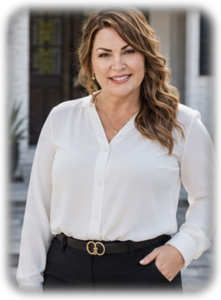
About Monica Karcz
Monica Karcz is a Florida Realtor and Senior Premier Agent with Redfin who has helped Tampa Bay buyers and sellers since 2012. She serves homeowners across Pasco, Pinellas, Hernando and Hillsborough Counties, including Holiday, New Port Richey, Port Richey, Hudson, Trinity, Tarpon Springs, Palm Harbor, Clearwater, Spring Hill and Wesley Chapel.
Monica assists homeowners with traditional home sales and with short-sale real-estate transactions, working alongside the homeowner’s lender, attorney and title company. She is a real-estate professional — not an attorney, accountant or financial adviser — and the information on this page is general education, not legal, tax or credit advice.
(813) 728-1400 · [email protected] · About Monica · Contact
Florida License #SL261098340 · Brokerage: Redfin Corporation, Florida License #780118