Short answer: If you fall behind on your mortgage, your servicer will charge late fees, report the missed payments to the credit bureaus, and contact you about options. For most loans, federal rules prevent a foreclosure filing until you are more than 120 days behind. That window is the best time to act — whether that means catching up, asking your servicer about help, or selling.
Falling behind happens to responsible people — a job change, a divorce, a medical bill, an insurance or tax increase that pushed the escrow payment up. This page walks through what typically happens month by month in Florida and the options homeowners usually consider. It is written for the real-estate side of the decision; for legal questions, talk to a Florida attorney.
What happens when I miss a mortgage payment?
Exact terms are in your note and mortgage, but the general pattern looks like this:
| Time behind | What usually happens |
|---|---|
| After the grace period (often about 15 days) | A late fee is charged. |
| By day 36 | Your servicer must make good-faith efforts to reach you live to discuss options. |
| By day 45 | You must receive a written notice describing loss-mitigation options and how to apply. |
| 30+ days | The late payment can be reported to the credit bureaus. |
| More than 120 days | For most loans, the earliest point a servicer may make the first foreclosure filing. |
| After filing | A court case begins, a lis pendens is recorded, and you are served with a summons. |
The day-36, day-45 and 120-day rules come from federal mortgage servicing regulations (12 CFR 1024.39 and 1024.41). There are limited exceptions.
What options do homeowners usually have?
Options to keep the home (through your servicer)
- Reinstatement — paying the past-due amount, fees and costs in one lump sum.
- Repayment plan — spreading the past-due amount over several months on top of the regular payment.
- Forbearance — a temporary pause or reduction in payments, usually for a short-term hardship.
- Loan modification — a permanent change to the loan terms to make payments more affordable.
These are decided by your servicer, not a Realtor. A free HUD-approved housing counselor (800-569-4287) can help you prepare an application.
Options to sell the home
- Traditional sale — if the home is worth more than what you owe plus selling costs, selling pays off the loan and you keep any remaining equity.
- Short sale — if the home is worth less than what you owe, the lender may agree to accept less. See What is a short sale in Florida?
Other options
- Deed in lieu of foreclosure — voluntarily transferring the home to the lender, if the lender agrees.
- Legal options such as defending the foreclosure or bankruptcy — questions for a Florida attorney.
Should I sell if I’m behind on my mortgage?
Selling makes the most sense when the payment is no longer realistic long-term — not just this month. Questions that help:
- Could I afford the payment again within a few months if the arrears were spread out or the loan modified?
- What is the home likely worth today, after selling costs?
- Do I want to stay in this home or this area?
- How far behind am I, and has a lawsuit been filed?
If you have equity, selling sooner usually protects more of it, because late fees, interest and foreclosure costs grow every month. If you do not, starting a short sale earlier gives more time for lender review.
I’m current but struggling — can I still sell or ask about a short sale?
Yes. You can sell at any time, and some lenders will review a short sale for a homeowner who is current but facing a documented hardship. Talk with your servicer and get advice before deciding to stop paying; missed payments have their own credit and legal consequences.
Behind on payments and not sure what to do next? Start with a private conversation.
Frequently asked questions
How many payments can I miss before foreclosure in Florida?
For most mortgages, federal rules prevent a servicer from making the first foreclosure filing until the loan is more than 120 days delinquent, roughly four missed payments. Some exceptions apply, and your servicer can still charge fees and report late payments before then.
Will my lender work with me if I call?
Servicers are required to contact delinquent borrowers and explain available options, and many have programs for temporary or permanent hardships. Approval depends on your loan type, investor rules and finances.
Does being behind hurt my credit?
Yes. Payments 30 or more days late can be reported to the credit bureaus. A short sale or foreclosure is reported as well. Each person’s credit outcome differs.
What if my escrow payment went up because of insurance or taxes?
Rising Florida insurance and property taxes have pushed many escrow payments higher. Ask your servicer for an escrow analysis and about options to spread a shortage. If the new payment is not sustainable, compare your options early.
Keep reading
- Short Sale & Pre-Foreclosure Help (overview)
- Can I sell my house before foreclosure in Florida?
- What if I owe more than my house is worth?
- How a Florida short sale works
- Florida short sale FAQ
- Hernando County short sale help
Important: This page is general real-estate education, not legal, tax or credit advice. Monica Karcz is a Florida Realtor, not an attorney or accountant. Laws, lender programs and deadlines change and every situation is different — for legal questions talk with a Florida attorney, and for tax questions talk with a CPA or tax professional.
Sources
Laws and guidelines were reviewed in October 2026 and can change.
- 12 CFR 1024.39 – Early intervention requirements
- 12 CFR 1024.41 – Loss mitigation procedures
- HUD – Housing counseling
- CFPB – What is a short sale?
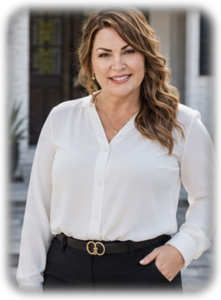
About Monica Karcz
Monica Karcz is a Florida Realtor and Senior Premier Agent with Redfin who has helped Tampa Bay buyers and sellers since 2012. She serves homeowners across Pasco, Pinellas, Hernando and Hillsborough Counties, including Holiday, New Port Richey, Port Richey, Hudson, Trinity, Tarpon Springs, Palm Harbor, Clearwater, Spring Hill and Wesley Chapel.
Monica assists homeowners with traditional home sales and with short-sale real-estate transactions, working alongside the homeowner’s lender, attorney and title company. She is a real-estate professional — not an attorney, accountant or financial adviser — and the information on this page is general education, not legal, tax or credit advice.
(813) 728-1400 · [email protected] · About Monica · Contact
Florida License #SL261098340 · Brokerage: Redfin Corporation, Florida License #780118