Short answer: Owing more than your home is worth (“negative equity” or being “underwater”) is not a problem on its own if you can keep paying and don’t need to move. It becomes a problem when you need to sell, because the sale won’t cover the loan. Your main options are to stay and pay, ask your servicer about help, bring cash to a traditional closing, or request lender approval for a short sale.
Negative equity has become more common in parts of Tampa Bay as prices have cooled in some neighborhoods while insurance, taxes and condo assessments have risen. Here is how to check where you stand and what each path involves.
How do I know if I’m underwater?
Add up everything that would have to be paid at closing, and compare it with a realistic sale price:
- Payoff of your first mortgage — request a payoff statement; it includes interest and any arrears or fees, not just the balance on your statement.
- Second mortgage, HELOC or other liens — including solar loans recorded against the home, code-enforcement liens or judgments.
- Unpaid HOA or condo assessments and property taxes.
- Selling costs — commissions, title and closing costs, and any repairs.
If (1)–(4) add up to more than the likely sale price, you are effectively underwater for a sale. A comparative market analysis from a local agent gives you the sale-price side of the equation; automated online estimates can be far off.
What are my options if I owe more than my house is worth?
| Option | Best when | Trade-offs |
|---|---|---|
| Stay and keep paying | The payment is affordable and you don’t need to move | Equity may return over time; no guarantee |
| Ask your servicer for help | A hardship makes the payment hard but you want to stay | Modification or forbearance depends on loan and investor rules |
| Traditional sale, bring cash to close | The shortfall is small and you have savings | Avoids lender approval and the credit impact of a short sale |
| Short sale | You have a hardship and can’t cover the shortfall | Needs lender approval; credit and tax consequences; takes longer |
| Deed in lieu | The lender agrees to take the home back | Lender must agree; similar credit considerations |
Do I have to pay the difference after a short sale?
It depends on the written terms. The lender’s short-sale approval letter should say whether the remaining balance (the “deficiency”) is waived, reserved, or partly due through a cash contribution or promissory note. Florida law gives courts discretion over deficiency judgments and limits the amount for owner-occupied homes (Fla. Stat. § 702.06), and a deficiency action on a 1–4 family home must generally be brought within one year (Fla. Stat. § 95.11(6)(g)). Have a Florida attorney review the approval letter before closing — this is legal advice a Realtor cannot give.
Is forgiven mortgage debt taxable?
It can be. When a lender forgives debt it may issue IRS Form 1099-C. The federal exclusion for forgiven debt on a main home does not apply to debt discharged after December 31, 2025, unless Congress extends it; other exclusions, such as insolvency, may still apply (IRS Publication 4681). Speak with a CPA or tax professional about your situation before you close.
What about my second mortgage, HELOC or HOA?
Each lienholder must agree to be paid less than it is owed. First-mortgage lenders often limit how much of the sale proceeds can go to a second lien, so second-lien negotiation is a normal part of a short sale. For HOA and condo associations, Florida law makes a new owner jointly liable for unpaid assessments (Fla. Stat. § 720.3085; § 718.116), so past-due dues are typically resolved at closing.
What if my home actually has equity?
Then a short sale is usually not the right tool — and lenders generally won’t approve one. A traditional sale lets you pay everything off and keep what’s left. Many homeowners who assume they are underwater discover they are not once they see a current market analysis.
Not sure whether you are underwater? Monica can run the numbers with you.
Frequently asked questions
Can I sell my house if I owe more than it is worth?
Yes. You can bring the difference to closing, or ask your lender to approve a short sale. If neither is possible, talk with your servicer and an attorney about other options.
Will a short sale ruin my credit?
A short sale is a negative credit event, but under Fannie Mae guidelines the waiting period for a new conventional mortgage is generally 4 years after a short sale versus 7 years after a foreclosure. FHA and VA rules differ.
Can I do a short sale on a rental or second home?
Often, yes. Lenders review investment properties and second homes, though requirements and tax treatment can differ from a primary residence.
Does a condo special assessment make a short sale harder?
It can. Large assessments tied to Florida’s condo safety and reserve laws may lower buyer demand and must be addressed at closing. Disclose them early so pricing and lender review account for them.
Keep reading
- Short Sale & Pre-Foreclosure Help (overview)
- What is a short sale in Florida?
- Signs a short sale may be right for you
- Florida short sale FAQ
- Pinellas County short sale help
- Spring Hill short sale help
Important: This page is general real-estate education, not legal, tax or credit advice. Monica Karcz is a Florida Realtor, not an attorney or accountant. Laws, lender programs and deadlines change and every situation is different — for legal questions talk with a Florida attorney, and for tax questions talk with a CPA or tax professional.
Sources
Laws and guidelines were reviewed in October 2026 and can change.
- Fla. Stat. s. 702.06 – Deficiency decree
- Fla. Stat. s. 95.11 – Limitations (deficiency, (6)(g))
- IRS Publication 4681
- IRS Topic 431 – Canceled debt
- Fla. Stat. s. 720.3085 – HOA assessments
- Fla. Stat. s. 718.116 – Condominium assessments
- Fannie Mae Selling Guide B3-5.3-07
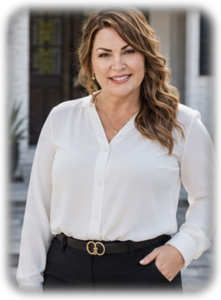
About Monica Karcz
Monica Karcz is a Florida Realtor and Senior Premier Agent with Redfin who has helped Tampa Bay buyers and sellers since 2012. She serves homeowners across Pasco, Pinellas, Hernando and Hillsborough Counties, including Holiday, New Port Richey, Port Richey, Hudson, Trinity, Tarpon Springs, Palm Harbor, Clearwater, Spring Hill and Wesley Chapel.
Monica assists homeowners with traditional home sales and with short-sale real-estate transactions, working alongside the homeowner’s lender, attorney and title company. She is a real-estate professional — not an attorney, accountant or financial adviser — and the information on this page is general education, not legal, tax or credit advice.
(813) 728-1400 · [email protected] · About Monica · Contact
Florida License #SL261098340 · Brokerage: Redfin Corporation, Florida License #780118