Short answer: A short sale is a home sale in which the mortgage lender agrees to accept less than the full amount owed so the property can be sold to a third-party buyer. In Florida it is a normal real-estate sale with an extra step: every lender and lienholder that would be paid less than it is owed must approve the sale in writing before closing.
Most people search for this term at a stressful moment — a missed payment, a letter from the servicer, or the realization that the house is worth less than the loan. This guide explains what a short sale is, how it differs from other options, and what to ask before deciding. It is written by Monica Karcz, a Florida Realtor with Redfin who helps Tampa Bay homeowners evaluate traditional-sale and short-sale options.
What does “short” mean in a short sale?
The sale is “short” because the price a buyer will pay, minus normal selling costs, is less than what is owed on the mortgage (and any second mortgage, HELOC or other lien). The lender is not paid in full, so it has to agree to release its lien for less.
Simple example: a homeowner owes $310,000. A buyer offers $280,000 and closing costs and commissions are about $20,000, so roughly $260,000 would reach the lender. The sale can only close if the lender agrees to accept that amount and release the mortgage.
Who has to approve a Florida short sale?
Every party that holds a lien on the property and would be paid less than it is owed. That can include:
- the first-mortgage servicer, and often the investor behind the loan (for example Fannie Mae, Freddie Mac, FHA or a private investor);
- a second mortgage or HELOC lender;
- a mortgage insurer, in some loans;
- a homeowners or condominium association that has recorded a lien for unpaid assessments.
Approval is never guaranteed. A lender reviews the homeowner’s hardship and finances, the buyer’s offer and an independent valuation, and it can approve, counter or decline.
Who usually qualifies for a short sale?
Lender rules differ, but most short-sale reviews look for three things:
- The home is worth less than what is owed once selling costs are included.
- A documented hardship — for example job loss or reduced income, divorce, medical expenses, a death in the family, a job relocation, or a payment increase.
- Limited ability to pay the shortfall, shown through financial documents.
You do not always have to be behind on payments to ask about a short sale. Some homeowners who are current but can no longer afford the home are also reviewed. See What happens if I’m behind on my mortgage?
How is a short sale different from a regular sale?
| Traditional sale | Short sale | |
|---|---|---|
| Mortgage paid in full? | Yes | No — lender accepts less |
| Lender approval needed? | No (payoff only) | Yes, in writing |
| Typical timeline | 30–45 days after contract | Often several months; varies widely |
| Seller receives proceeds? | Yes, if there is equity | Generally no |
| Remaining balance | None | Depends on the written approval terms |
If your home has equity, a traditional sale is usually the better path — you keep the control, the speed and any proceeds. A short sale is for situations where the numbers do not work. Monica can run a comparative market analysis so you can see which describes your home.
What happens to the rest of the debt?
This is the most important question in any short sale, and the answer is in the lender’s written approval letter. Some approvals state that the remaining balance is waived; others reserve the lender’s right to pursue it, or ask for a cash contribution or promissory note. Florida law limits deficiency judgments on owner-occupied homes in some circumstances (Fla. Stat. § 702.06), but the details matter. Have a Florida attorney review the approval before you sign. More in What happens if I owe more than my house is worth?
Does a short sale affect taxes or credit?
Taxes: forgiven debt can be treated as taxable income and is often reported on IRS Form 1099-C. A federal exclusion for forgiven mortgage debt on a main home expired for debt discharged after December 31, 2025, though other exceptions such as insolvency may apply (IRS Publication 4681). Ask a tax professional before you close.
Credit: a short sale is a negative credit event. For a future conventional mortgage, Fannie Mae’s guidelines generally set a 4-year waiting period after a short sale versus 7 years after a foreclosure, with shorter periods for documented extenuating circumstances (Fannie Mae Selling Guide B3-5.3-07). FHA and VA rules differ.
Where does a Realtor fit in, and where does an attorney?
A Realtor handles the real-estate side: pricing, preparing and marketing the home, finding a qualified buyer, and coordinating the contract and closing. Questions about a foreclosure lawsuit, deficiency language, bankruptcy or tax consequences belong with an attorney or tax professional. For short sales, Monica works with The Lyons Law Group, P.A. in New Port Richey as her attorney and title partner; homeowners are always free to choose their own attorney and title company.
Wondering whether a short sale or a traditional sale fits your home?
Frequently asked questions
Is a short sale the same as a foreclosure?
No. In a short sale the homeowner sells the home to a buyer with the lender’s approval. In a foreclosure the lender goes to court and the property is sold at a clerk’s auction. See short sale vs. foreclosure.
Can a lender say no to a short sale?
Yes. A lender or investor can decline, counter or ask for changes, and any second-lien holder or association can also object. Approval is never guaranteed.
Do I need to be behind on my mortgage to do a short sale?
Not always. Lenders mainly look at hardship, value and finances. Some homeowners who are current but cannot keep up are reviewed. Ask your servicer and an agent before deciding to miss payments, because missed payments have their own consequences.
Who pays the Realtor in a short sale?
Commissions and normal closing costs are usually paid from the sale proceeds and must be approved by the lender as part of the short-sale approval.
Can I live in my home during a short sale?
Usually yes, until closing. You will need to keep the home in showable condition and allow access for showings and the lender’s valuation.
Keep reading
- Short Sale & Pre-Foreclosure Help in Tampa Bay (overview)
- How does a Florida short sale work? Step by step
- How long does a short sale take?
- Florida short sale FAQ
- Short sale help in Pasco County
- Short sale help in Pinellas County
Important: This page is general real-estate education, not legal, tax or credit advice. Monica Karcz is a Florida Realtor, not an attorney or accountant. Laws, lender programs and deadlines change and every situation is different — for legal questions talk with a Florida attorney, and for tax questions talk with a CPA or tax professional.
Sources
Laws and guidelines were reviewed in October 2026 and can change.
- Florida Statutes Chapter 702 (deficiency judgments, s. 702.06)
- IRS Publication 4681 – Canceled Debts, Foreclosures, Repossessions, and Abandonments
- Fannie Mae Selling Guide B3-5.3-07 – waiting periods
- CFPB – What is a short sale?
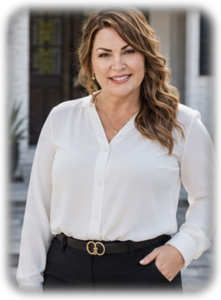
About Monica Karcz
Monica Karcz is a Florida Realtor and Senior Premier Agent with Redfin who has helped Tampa Bay buyers and sellers since 2012. She serves homeowners across Pasco, Pinellas, Hernando and Hillsborough Counties, including Holiday, New Port Richey, Port Richey, Hudson, Trinity, Tarpon Springs, Palm Harbor, Clearwater, Spring Hill and Wesley Chapel.
Monica assists homeowners with traditional home sales and with short-sale real-estate transactions, working alongside the homeowner’s lender, attorney and title company. She is a real-estate professional — not an attorney, accountant or financial adviser — and the information on this page is general education, not legal, tax or credit advice.
(813) 728-1400 · [email protected] · About Monica · Contact
Florida License #SL261098340 · Brokerage: Redfin Corporation, Florida License #780118