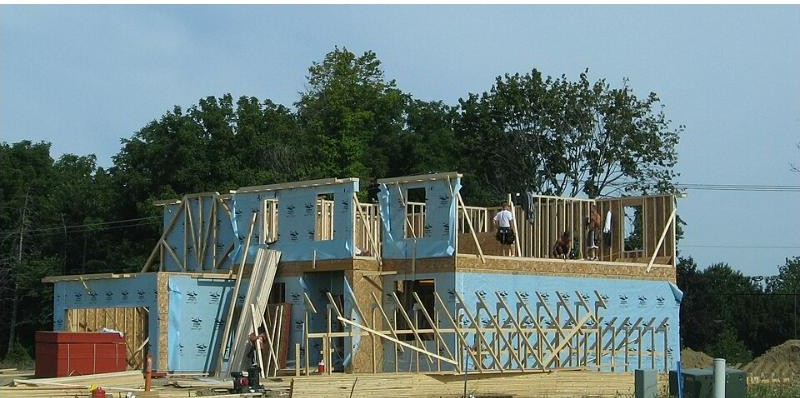
New construction has become a bigger part of the Tampa Bay market than it was a few years ago, especially further out in Pasco County and around New Port Richey, where builders have been putting up entire communities from the ground up. Buying new comes with real advantages — nothing to fix, modern layouts, builder warranties — but it also comes with a negotiation that looks nothing like negotiating with an individual seller. Here’s how I approach it with my buyers, and what tends to actually move the needle.
Builders rarely budge on the listed price — but they’ll move on everything else
A builder dropping their base price on paper affects every other sale in the community and their appraisal comps going forward, so they’re reluctant to do it. What they will do is layer in design center credits, upgraded flooring or countertops, a finished lanai, or other add-ons worth real money. When I’m negotiating on a client’s behalf, I’m usually pushing on upgrades and incentives rather than asking for a lower number on the contract.
Timing matters more than people think
Builders work against sales goals tied to fiscal quarters and year-end deadlines, and inventory levels shift those incentives too. Late in the year, or when a builder is sitting on more finished spec homes than usual, there’s simply more room to negotiate than there is early in a phase release when a community is selling briskly.
Move-in ready and spec homes are often your best value
A home that’s already built, or close to it, means the builder knows their exact costs and isn’t exposed to future material price swings — which means they have more room to deal on a finished home than on one you’d be customizing from the ground up.
Staying business-like works in your favor
Sales reps are trained to gauge how attached a buyer already is to a specific lot or floor plan. Keeping some emotional distance, and genuinely being willing to look at a second or third community, gives you real leverage instead of just the appearance of it.
Read the builder’s contract line by line — it’s not the standard state form
Individual sellers typically use a standard state real estate contract. Builders write their own, and those contracts are built to protect the builder, not you. Financing contingencies, deposit forfeiture terms, and delivery date language all deserve a close read (and ideally a real estate attorney’s eyes) before you sign.
Ask what happens if prices drop after you buy
In a fast-moving new-home community, it’s not unusual for a builder to lower base prices on later phases. Some builders will offer existing buyers a price match or comparable incentive if you ask before closing — but almost none of them offer it if you don’t ask.
Understand your rate-lock window before you commit
New construction closings can be scheduled months out, and mortgage rate locks typically run 30 to 120 days. Talk to your lender early about extended-lock options so you’re not caught needing to re-lock at a worse rate right before closing.
Ask about the builder’s preferred lender — but shop it anyway
Builders often offer incentives for using their preferred lender, sometimes including a paid title policy or closing cost credits worth roughly half a percent of the purchase price. Those incentives can be worth taking, but only after you’ve compared the actual rate and terms against an outside lender — sometimes the incentive doesn’t outweigh a meaningfully better rate elsewhere.
What this means if you’re buying new construction in Tampa Bay
The deal is almost never in the sticker price — it’s in the upgrades, the incentives, and the details of a contract that was written for the builder’s benefit, not yours. Having someone in your corner who negotiates with builder sales offices regularly makes a real difference here, since it’s a different game than negotiating with a homeowner.
If you’re considering a new construction community in Pasco or Pinellas County and want someone who can sit across from the builder’s sales office with you, I’m happy to help. Schedule a consultation and let’s talk about which communities and incentives make sense for your budget.
Negotiation tactics referenced from Redfin’s research on negotiating new construction home deals, current as of 2026.