Short answer: A Florida short sale works like a normal listing with one extra phase: after you accept a buyer’s offer, the contract, your hardship documents and financial information go to your lender (and any second lienholder), which orders its own valuation and decides whether to approve the reduced payoff. Only after written approval does the sale move to closing.
Below is the typical sequence Monica follows on the real-estate side, with notes on who handles each part. Lenders and investors have their own requirements, so details vary from file to file.
The Florida short sale process, step by step
Step 1: Private consultation
You talk through your situation, goals and timeline. Monica reviews what is owed against the property and whether any foreclosure case is pending. There is no cost or obligation.
Step 2: Market analysis
Monica prepares a comparative market analysis. If the home has enough equity, a traditional sale is usually recommended instead of a short sale.
Step 3: Legal and title review
Because short sales involve lender negotiation, title and sometimes a pending lawsuit, homeowners are encouraged to involve a Florida attorney and title company early. Monica works with The Lyons Law Group, P.A.; you may choose your own.
Step 4: Listing agreement and lender authorization
You sign a listing agreement and a third-party authorization so the lender will speak with your agent, attorney and title company.
Step 5: Prepare the home and list it
Photos, pricing and marketing — including on Redfin — just like any other listing. The listing discloses that the sale is subject to lender approval.
Step 6: Accept an offer
You accept a purchase contract with a short-sale addendum. The buyer understands the sale depends on lender approval.
Step 7: Submit the short sale package
The contract, your hardship letter and financial documents, and a preliminary settlement statement go to the lender, often through the servicer’s online system such as Equator.
Step 8: Lender valuation and review
The lender orders a broker price opinion or appraisal, reviews the file and may counter on price, closing costs or a seller contribution. Each lienholder reviews separately.
Step 9: Written approval
The lender issues an approval letter with conditions and a closing deadline. Read the deficiency language carefully with your attorney before you sign.
Step 10: Closing
The title company closes on the approved terms, pays the lender the agreed amount, and the lien — and any foreclosure case — is resolved as stated in the approval.
What documents does a lender usually ask for?
Requirements vary, but a typical short-sale package includes:
- a signed hardship letter explaining what changed;
- recent pay stubs or proof of income, and recent tax returns;
- recent bank statements;
- a financial worksheet listing income, expenses and assets;
- the listing agreement, purchase contract and a preliminary settlement statement;
- third-party authorization for your agent, attorney and title company.
These documents go to the lender through secure channels during the process — never through a website contact form. Monica’s consultation form only asks for basic contact details.
Who does what in a short sale?
| Role | Main responsibilities |
|---|---|
| Homeowner | Provides documents promptly, keeps the home showable, responds to lender requests. |
| Listing agent (Monica) | Pricing, marketing, buyer negotiation, coordinating the contract, valuation access and closing. |
| Attorney / negotiator | Legal advice, foreclosure-case deadlines, lender negotiation and review of approval and deficiency terms. |
| Title company | Title search, lien payoffs and releases, settlement statement and closing. |
| Lender / investor | Valuation, review and the approve/counter/decline decision. |
Why do short sales fall apart?
- missing or outdated documents slowing the lender’s review;
- a second lienholder or HOA refusing the proposed payoff;
- a buyer who walks away during a long review;
- a foreclosure sale date arriving before approval;
- a lender valuation well above the contract price.
Starting early, pricing to the market and keeping the file complete are the best defenses.
Want to know whether your home is a short-sale candidate?
Frequently asked questions
Do I pay anything to list a short sale?
Real-estate commissions and normal closing costs are typically paid from the sale proceeds as part of the lender-approved settlement. Ask about any other fees in writing before you sign anything.
What is Equator?
Equator is an online platform many mortgage servicers use to receive and process short-sale packages, offers and approvals.
Can I pick my own buyer, such as a relative?
Lenders generally require an arm’s-length transaction, and the parties are usually asked to sign an affidavit confirming there is no undisclosed relationship or side agreement.
What happens to my second mortgage or HELOC?
The second lienholder must also agree to release its lien. First-mortgage lenders often cap how much can go to the second lien, so negotiation is common.
Keep reading
- Short Sale & Pre-Foreclosure Help (overview)
- What is a short sale in Florida?
- How long does a short sale take?
- Florida short sale FAQ
- Short sale attorney & title partner: The Lyons Law Group
- New Port Richey short sale help
- Holiday, FL short sale help
Important: This page is general real-estate education, not legal, tax or credit advice. Monica Karcz is a Florida Realtor, not an attorney or accountant. Laws, lender programs and deadlines change and every situation is different — for legal questions talk with a Florida attorney, and for tax questions talk with a CPA or tax professional.
Sources
Laws and guidelines were reviewed in October 2026 and can change.
- CFPB – What is a short sale?
- 12 CFR 1024.41 – Loss mitigation procedures
- Florida Statutes Chapter 702 – Foreclosure of mortgages
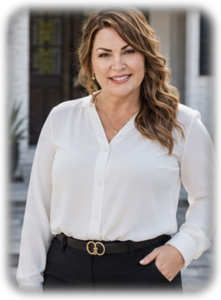
About Monica Karcz
Monica Karcz is a Florida Realtor and Senior Premier Agent with Redfin who has helped Tampa Bay buyers and sellers since 2012. She serves homeowners across Pasco, Pinellas, Hernando and Hillsborough Counties, including Holiday, New Port Richey, Port Richey, Hudson, Trinity, Tarpon Springs, Palm Harbor, Clearwater, Spring Hill and Wesley Chapel.
Monica assists homeowners with traditional home sales and with short-sale real-estate transactions, working alongside the homeowner’s lender, attorney and title company. She is a real-estate professional — not an attorney, accountant or financial adviser — and the information on this page is general education, not legal, tax or credit advice.
(813) 728-1400 · [email protected] · About Monica · Contact
Florida License #SL261098340 · Brokerage: Redfin Corporation, Florida License #780118